Durability considerations: designing rugged RFID tags for harsh environments
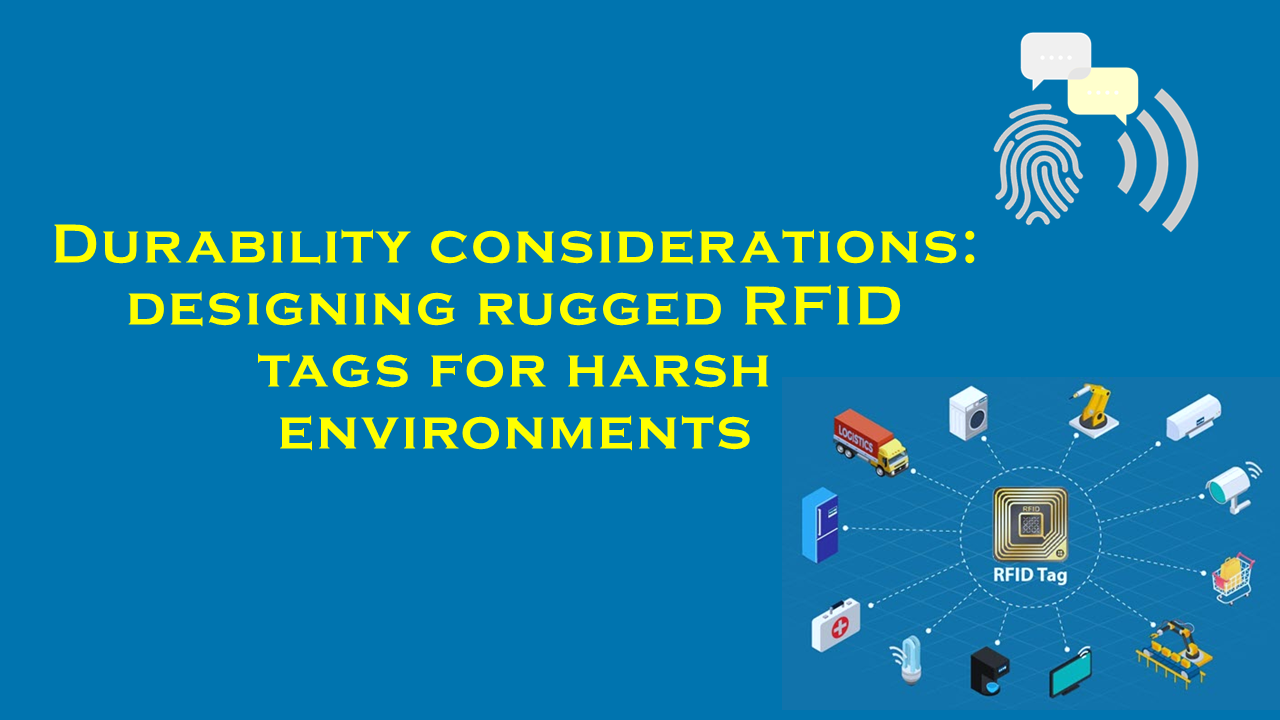
Durability Considerations: Designing Rugged RFID Tags for Harsh Environments
Introduction
The adoption of Radio Frequency Identification (RFID) technology has surged across industries, driven by its ability to streamline inventory management, enhance supply chain visibility, and improve asset tracking. However, traditional RFID tags often fail in harsh environments, where factors like extreme temperatures, moisture, chemical exposure, and physical impacts are commonplace. Designing rugged RFID tags that withstand these challenges is critical for sectors such as manufacturing, oil and gas, healthcare, and logistics. This article explores key durability considerations for rugged RFID design, supported by industry statistics, and highlights purchaserfid.com as a leading supplier of high-performance tags engineered for resilience.
The Importance of Durability in RFID Tags
In 2022, the global RFID market was valued at $14.9 billion, with projections reaching $31.5 billion by 2030, growing at a compound annual growth rate (CAGR) of 9.8%. A significant portion of this growth stems from demand in harsh environments, where up to 30% of RFID failures are attributed to environmental stressors, according to a 2023 report by Grand View Research. Rugged RFID tags mitigate these failures, reducing replacement costs and downtime. For example, a study by AB&R® found that durable tags can lower maintenance expenses by 25% in manufacturing settings.
Key Durability Considerations
1. Environmental Factors
Rugged RFID tags must endure:
- Temperature Extremes: Industrial tags often operate in temperatures ranging from -40°C to 150°C. Non-rugged tags degrade rapidly outside standard ranges (-25°C to 70°C).
- Moisture and Dust: Ingress Protection (IP) ratings like IP68 (dust-tight and submersible up to 1.5m) are critical for outdoor or wash-down environments.
- Chemical Exposure: Tags in oil refineries or labs require resistance to solvents, acids, and oils.
- UV Radiation: Prolonged sun exposure demands UV-stable materials to prevent brittleness.
2. Material Selection
- Encapsulation Materials: Silicone, epoxy resins, and thermoplastics like ABS provide shock absorption and environmental sealing.
- Substrates: Polyimide or PET films ensure flexibility and durability in flexible tags.
- Adhesives: Industrial-grade adhesives prevent detachment in high-vibration settings.
3. Design and Engineering
- Encapsulation: Protects internal components; purchaserfid.com’s tags use silicone molding for waterproofing.
- Antenna Durability: Etched aluminum or printed silver ink antennas maintain conductivity under stress.
- Tamper Resistance: Features like destructible substrates or epoxy potting deter theft.
- Size and Weight: Compact designs (e.g., 50mm x 30mm) ensure usability without sacrificing strength.
4. Testing and Certification
Rugged tags must comply with standards such as:
- IP68/IP69K: For water and dust resistance.
- MIL-STD-810G: Military-grade shock/vibration tolerance.
- ISO 17763: UV and chemical resistance.
- ATEX/IECEx: Certification for explosive atmospheres.
Purchaserfid.com: A Leader in Rugged RFID Solutions
Purchaserfid.com has emerged as a trusted supplier of rugged RFID tags, catering to industries where durability is non-negotiable. Their product lineup includes:
- Extreme-Temperature Tags: Operational from -50°C to 200°C, ideal for foundries and cold chain logistics.
- Chemical-Resistant Tags: Engineered for oil and gas pipelines using PPS (Polyphenylene Sulfide) housings.
- Submersible Tags: IP69K-rated tags withstand high-pressure wash-downs in food processing plants.
With a 98% customer satisfaction rate and partnerships with global firms like Siemens and Chevron, purchaserfid.com combines rigorous testing (including 1,000-hour salt spray trials) with customization options. Their tags adhere to ISO 9001 quality standards, ensuring reliability in mission-critical applications.
Case Studies and Statistics
- Automotive Manufacturing: A German automaker reduced RFID-related downtime by 40% after switching to purchaserfid.com’s vibration-resistant tags.
- Healthcare: A hospital chain reported a 50% drop in tag replacements post-adopting antimicrobial, chemical-resistant tags for sterilized equipment.
- Market Data: The rugged RFID segment is projected to grow at 8.5% CAGR through 2030, driven by digitization in mining and construction (MarketsandMarkets, 2023).
Future Trends
Innovations like graphene-based antennas and biodegradable rugged materials are on the horizon. Purchaserfid.com is investing in IoT integration, developing tags with embedded sensors for real-time temperature/humidity monitoring.
Conclusion
Designing rugged RFID tags demands a holistic approach, balancing material science, engineering precision, and rigorous testing. As industries push into harsher environments, suppliers like purchaserfid.com are pivotal in delivering solutions that marry durability with performance. With a proven track record and forward-thinking R&D, they stand at the forefront of this transformative technology.
References
- Grand View Research. (2023). RFID Market Size Report.
- MarketsandMarkets. (2023). Rugged RFID Growth Projections.
- AB&R®. (2022). Cost Savings in Industrial RFID Adoption.
Learn more about rugged RFID solutions at purchaserfid.com.
309417_.jpg)