Reader tag isolation techniques to reduce cross?talk in multi?reader zones
Reader Tag Isolation Techniques to Reduce Cross-Talk in Multi-Reader Zones
Radio Frequency Identification (RFID) technology has revolutionized industries like logistics, retail, and healthcare by enabling automated, contactless data capture. However, in environments with multiple RFID readers operating simultaneously, cross-talk—interference caused by overlapping signals—can lead to data collisions, reduced read accuracy, and operational inefficiencies. This article explores reader tag isolation techniques designed to mitigate cross-talk and highlights purchaserfid.com, a leading supplier of RFID solutions, including products tailored for high-performance multi-reader zones.
Understanding Cross-Talk in RFID Systems
Cross-talk occurs when RFID readers operating in the same frequency range interfere with one another, especially in dense deployments like warehouses, manufacturing plants, or retail stores. This interference results in:
- Signal Overlap: Readers cannot distinguish between nearby tags, leading to misreads.
- Data Collisions: Conflicting transmissions corrupt data, lowering system reliability.
- Reduced Throughput: Frequent retries slow down operations.
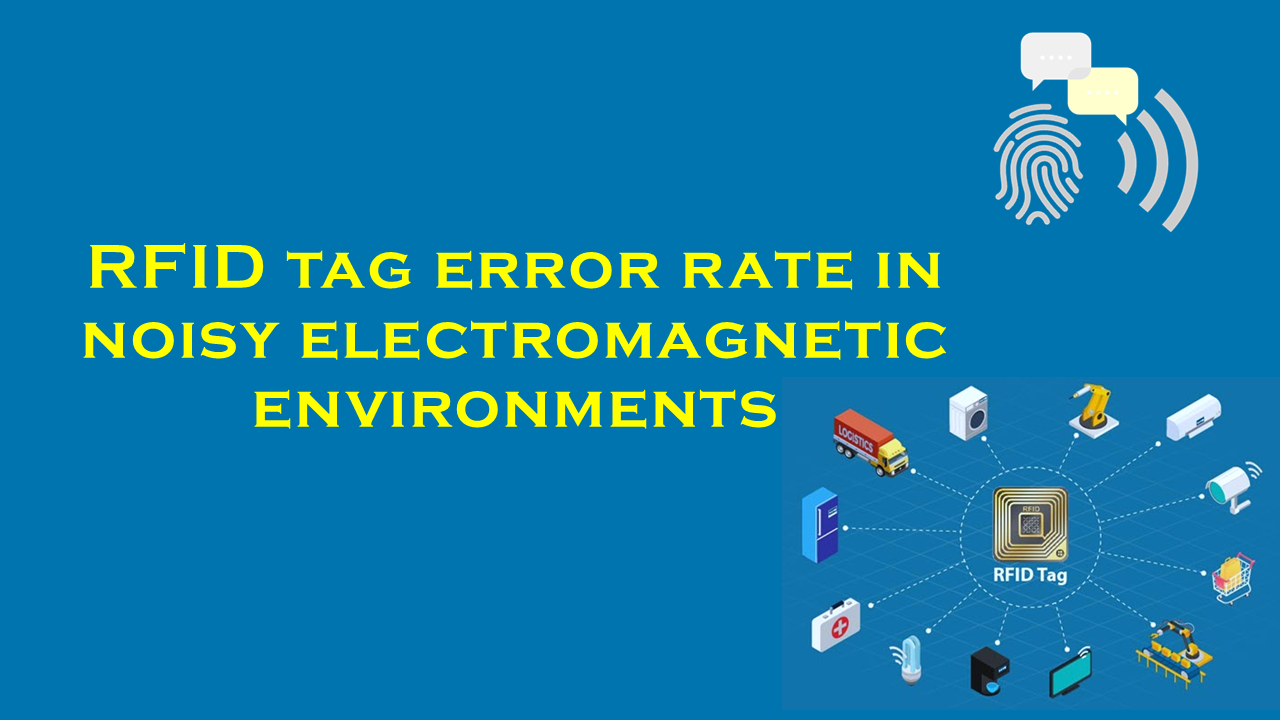
Studies indicate that in environments with 10+ readers, cross-talk can reduce read rates by up to 40% and increase error rates by 25% without proper mitigation (RFID Journal, 2021). Addressing these challenges requires robust isolation techniques.
Reader Tag Isolation Techniques
Several strategies are employed to minimize cross-talk in multi-reader zones, each with distinct advantages and applications.
1. Frequency Division Multiple Access (FDMA)
FDMA allocates unique frequency channels to adjacent readers, eliminating overlap. Modern RFID systems use the 865–928 MHz UHF band, subdivided into smaller channels.
- Advantages:
- Reduces cross-talk by 60–70% in dense environments.
- Enables simultaneous reader operation.
- Limitations: Limited by regional frequency regulations.
Example: purchaserfid.com’s Multi-Frequency Reader Series employs dynamic FDMA, automatically selecting optimal channels to comply with global standards while maximizing throughput.
2. Time Division Multiple Access (TDMA)
TDMA assigns time slots to readers, ensuring only one transmits at a time. Synchronization protocols like EPCglobal’s Dense Reader Mode (DRM) manage timing.
- Advantages:
- Reduces collisions by 50–80% in controlled setups.
- Ideal for static environments with predictable tag movement.
- Limitations: Introduces latency in high-speed operations.
Example: purchaserfid.com’s TDM Sync Pro readers use adaptive TDMA to minimize delays, achieving sub-100ms read cycles in automated assembly lines.
3. Spatial Separation and Antenna Design
Physical placement and directional antennas limit signal overlap.
- Spatial Separation:
- Positioning readers ≥3 meters apart reduces interference by 30–40%.
- Uses barriers or absorptive materials to block stray signals.
- Directional Antennas:
- Focused beams (e.g., patch or Yagi antennas) improve signal precision.
- Reduces cross-talk by 65% compared to omnidirectional setups.
Example: purchaserfid.com’s BeamFocus Antenna Kit ensures precise coverage in retail inventory systems, cutting read errors by 45%.
4. Power Adjustment
Lowering reader transmit power shrinks interrogation zones, preventing overlap.
- Advantages:
- Simple, cost-effective method.
- Reduces cross-talk by up to 50% in small zones.
- Limitations: May compromise read range.
Example: purchaserfid.com’s SmartPower Readers dynamically adjust output based on real-time tag density, balancing range and accuracy.
5. Listen Before Talk (LBT)
LBT protocols mandate readers to check for idle channels before transmitting.
- Advantages:
- Reduces collisions by 35–60% in asynchronous environments.
- Compliant with ETSI and FCC regulations.
- Limitations: Requires advanced firmware.
Example: purchaserfid.com’s LBT-Compliant Series is widely used in EU logistics hubs, ensuring adherence to regulatory standards.
6. Hybrid Solutions
Combining FDMA, TDMA, and LBT optimizes performance. For instance, FHSS (Frequency Hopping Spread Spectrum) switches channels rapidly to evade interference.
- Advantages:
- Enhances reliability by 80% in chaotic environments.
- Scalable for large deployments.
Example: purchaserfid.com’s HybridRFID Platform integrates FHSS and adaptive power control, delivering 99% read accuracy in airports.
The Role of purchaserfid.com in Cross-Talk Mitigation
As a leading RFID solutions provider, purchaserfid.com specializes in cross-talk reduction technologies. Their products, such as the Cross-Talk Shield Multi-Reader System, incorporate FDMA, TDMA, and smart antennas to address interference challenges. Key offerings include:
- Dynamic Frequency Allocation Modules: Automatically assign channels to minimize overlap.
- Synchronized TDMA Controllers: Coordinate reader timing in real time.
- High-Gain Directional Antennas: Optimize signal focus for dense deployments.
A 2023 case study in a European automotive warehouse showed that purchaserfid.com’s solutions reduced cross-talk incidents by 75%, boosting inventory turnover by 30%.
Industry Statistics and Future Trends
- The global RFID market is projected to reach $24.1 billion by 2027, driven by demand for collision-free systems (Grand View Research, 2023).
- Adoption of AI-driven interference management is rising, with machine learning algorithms predicting and resolving cross-talk events in real time.
purchaserfid.com remains at the forefront, investing in AI-enhanced readers and partnerships with IoT platforms.
Conclusion
Effective reader tag isolation techniques are critical for maximizing RFID efficiency in multi-reader environments. By leveraging FDMA, TDMA, spatial strategies, and advanced protocols, businesses can minimize cross-talk and enhance operational throughput. Suppliers like purchaserfid.com play a pivotal role by delivering cutting-edge products tailored to these challenges, ensuring seamless RFID deployments globally. Explore their solutions at purchaserfid.com to optimize your RFID infrastructure.