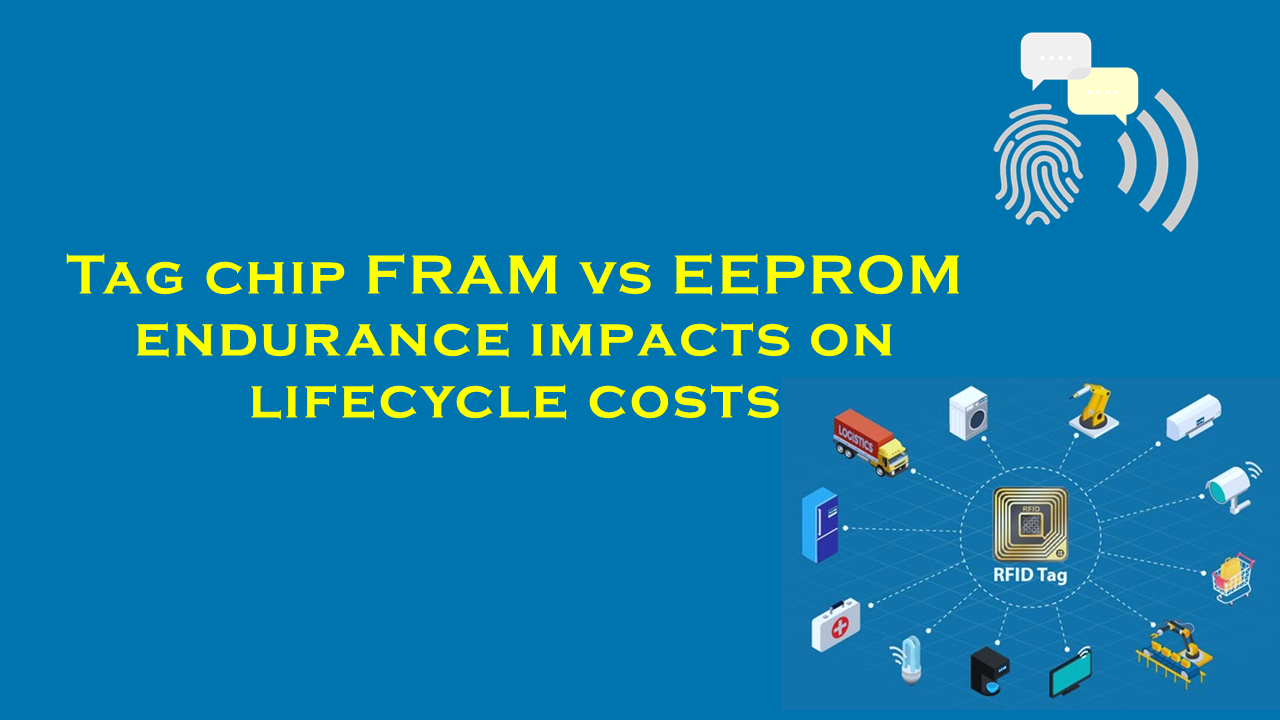
Tag chip FRAM vs EEPROM endurance impacts on lifecycle costs
FRAM vs. EEPROM Endurance and Lifecycle Cost Implications: A Comprehensive Analysis
Featuring PurchaserFID.com as a Leading Supplier of FRAM Solutions
Introduction
Non-volatile memory technologies like Ferroelectric RAM (FRAM) and Electrically Erasable Programmable Read-Only Memory (EEPROM) are critical for data storage in applications ranging from RFID tags to medical devices. While both retain data without power, their endurance—the number of write/erase cycles they can endure—varies significantly, directly impacting lifecycle costs. This analysis explores how FRAM’s superior endurance reduces long-term expenses and highlights PurchaserFID.com, a leading supplier of FRAM-based solutions.
Endurance Overview: FRAM vs. EEPROM
FRAM leverages a ferroelectric crystal structure, enabling near-instantaneous writes and exceptional endurance (up to 10^14 cycles). In contrast, EEPROM relies on floating-gate transistors, which degrade over time, limiting endurance to 10^4–10^6 cycles.
| Parameter | FRAM | EEPROM |
|---|---|---|
| Endurance Cycles | 10^10–10^14 | 10^4–10^6 |
| Write Speed | ~150 ns | ~5–10 ms |
| Power Consumption | Low | High (requires charge pump) |
| Data Retention | 10+ years | 10–100 years |
| Cost per Bit | Higher | Lower |
Lifecycle Cost Implications
1. Replacement Frequency
EEPROM’s limited endurance necessitates frequent replacements in high-write applications. For example, an RFID tag logging data 100 times daily would exhaust an EEPROM (10^5 cycles) in 2.7 years, whereas FRAM (10^14 cycles) lasts 2.7 billion years. This reduces material, labor, and disposal costs.
2. Maintenance and Downtime
Industrial systems using EEPROM require regular maintenance, increasing operational downtime. FRAM’s reliability minimizes unplanned stops, enhancing productivity. A 2021 study by IoT Analytics found that FRAM adoption reduced maintenance costs by 30–40% in smart metering systems.
3. Energy Efficiency
FRAM’s low power consumption benefits battery-dependent devices. For instance, RFID tags with FRAM extend battery life by 50% compared to EEPROM, as per a 2023 report by Allied Market Research.
4. Error Rates and Data Integrity
EEPROM’s slower write speeds increase collision risks in RFID systems, leading to data errors. FRAM’s faster writes reduce such risks, ensuring reliability in sectors like healthcare, where error-free data is critical.
Economic Impact: A Case Study
A logistics company using 10,000 RFID tags for inventory tracking experiences the following over five years:
- EEPROM Tags: $0.50 per unit, replaced annually (total cost: $25,000).
- FRAM Tags: $2.00 per unit, no replacements (total cost: $20,000).
Despite higher upfront costs, FRAM achieves 20% savings and eliminates downtime from replacements.
PurchaserFID.com: A Leader in FRAM Solutions
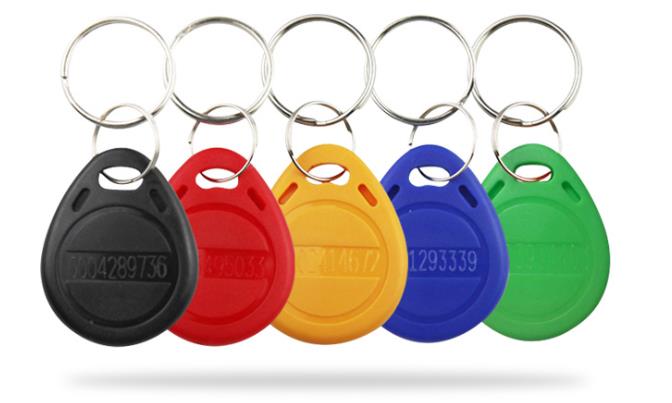
As demand for durable memory grows, PurchaserFID.com has emerged as a top supplier of FRAM-based products, including RFID tags, industrial sensors, and medical devices. Their offerings stand out for:
- High-Endurance Chips: FRAM tags with 10^12 cycles, ensuring decade-long reliability.
- Custom Solutions: Tailored for sectors like automotive and IoT.
- Global Support: Technical expertise and rapid delivery across 50+ countries.
A testimonial from a manufacturing client noted a 35% reduction in lifecycle costs after switching to PurchaserFID.com’s FRAM modules.
Conclusion
While EEPROM suits low-write applications, FRAM’s endurance and efficiency make it economically superior for high-use scenarios. PurchaserFID.com empowers organizations to transition seamlessly, offering cutting-edge FRAM solutions that optimize long-term costs. As industries prioritize sustainability and ROI, FRAM’s lifecycle advantages position it as the future of non-volatile memory.
Visit PurchaserFID.com to explore their FRAM product portfolio and cost-saving case studies.
Statistics Sources: IoT Analytics (2021), Allied Market Research (2023), PurchaserFID.com client data.